
















Have you ever monitored your health through numbers? Numbers on a scale, counting calories or tracking cholesterol can become very common when monitoring your health. While these measurements can be important, health is not a single metric. True health embraces a wholistic approach that considers every aspect of your well-being.
AdventHealth’s whole-person care model recognizes that physical health, mental wellbeing and spiritual needs are deeply interconnected. Whole-person care means addressing all three aspects: caring for your body, strengthening your mind, and nurturing your spirit. When we focus on all areas, we’re better equipped to serve our families, thrive at work and support our communities.
David Kennedy, vice president of mission and ministry in the Mid-America Region for AdventHealth echoed this sentiment saying,
“We can’t feel whole unless all parts of us are healthy and well. Jesus modeled this for us in so many ways. Think of the paralytic who was brought to Him for healing. The first thing Jesus said to the man was, ‘Friend, your sins are forgiven.’ The man was being brought to be healed of a physical impairment, but Jesus saw him as a whole person. That man left his encounter with Jesus feeling whole—body, mind and spirit.”
The most meaningful change often begins with small, consistent habits that are done with intention and supported by your care team, guided by what matters most to you.
Caring for the body
With new health trends, restrictive diets and conflicting information, it can be hard to separate fact from fiction. Health is not one size fits all and physical health is no exception.
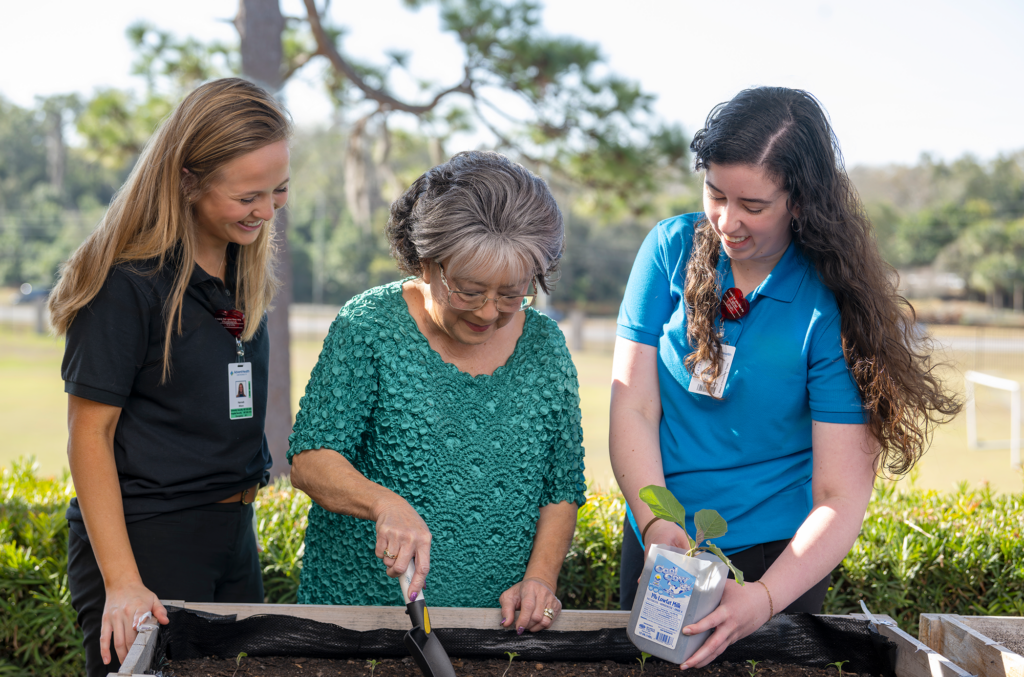
Nutrition is the foundation, followed by regular physical activity. Sustainable wellness is built on balance, and it may be helpful to experiment with different healthy routines and consult with your care team to discover what works best for your needs. It is also important to remember that nutritional needs vary by age, activity level, health history, day-to-day schedule and personal preferences.
Nutrition Tips for All Ages
- Try to build a balanced plate with protein, a fiber-rich carbohydrate, produce (fruits/vegetables) and healthy fats for most meals.
- Keep water accessible and sip throughout the day, especially with higher activity or warmer weather.
- Notice which meals leave you energized verses tired and adjust gradually.
Healthy habits are important, and preventive care can help identify potential issues early. Annual wellness visits with a primary care provider are also a good time to review labs, medications or supplements, recommended screenings and any changes you’ve noticed in sleep or mood.
- Schedule an annual checkup with a primary care provider and keep a running list of questions.
- Bring your medication/supplement list to appointments to ensure safe coordination.
- Follow through on recommended screenings to address concerns early.
Strengthening the mind
Mental health is deeply connected to physical habits and daily rhythms. Movement, sleep and stress management can shape your mood and resilience. The most helpful routine is usually the one that feels realistic and sustainable, not the most intense plan.
A study conducted at the AdventHealth Research Institute, led by Kirk Erickson, Ph.D., director of translational neuroscience at the AdventHealth Research Institute, showcased that everyday movement is connected to cognitive function. He shared, “The earlier we can positively influence the course of brain health the better off we’re likely to be in the long run.”
Mind health tips
- Try a 10-minute walk, gentle stretching, or a short strength routine. A brief walk between tasks can help provide more mental clarity and reduce stress.
- Take part in a screen-free day or limit your screen time, especially before bed.
- Monitor your mood changes and reach out to your family, friends or to a professional for support.
Brain health is influenced over time by everyday habits that include sleep quality, movement, stress management and mental engagement. Sleep supports memory, emotional regulation and sharper thinking the next day.
- Try to keep a consistent sleep schedule for most days of the week.
- Create a wind-down routine such as dimming the lights and pair with a calming activity such as reading, journaling or prayer
- Be mindful of late-day stimulants such as heavy meals close to bedtime which may disrupt sleep for some people.
Nourishing the spirit
Spiritual wellbeing gives depth and direction to whole health. Staying centered in Christ can offer steadiness and provide peace, purpose and a reminder that our worth isn’t measured by productivity or performance.
“Daily practices are vital to maintaining peace and purpose in life, from exercise, to prayer, to reflection on Scripture,”
says Kennedy.
“Reading and reflecting on Scripture constantly reminds us of eternal truths that serve as an anchor. Prayer is a releasing of anxiety to God, who cares for us. It gives us the ability to rise above our challenges and see them in their proper perspective.”
Daily spiritual health practices
- Begin the day with prayer, Scripture or a gratitude practice.
- Take micro-pauses such as slow breaths and short prayer before a meeting or after a stressful moment.
- Stay connected to community through worship, small groups and service activities as they strengthen spiritual resilience.
Living a well-rounded and whole life
Whole health is not about perfection but it grows through small, intentional choices repeated over time. These choices help you feel grounded, resilient and connected. If you’re not sure where to start, choose one small step in each category this week:
- Body: add one serving of produce per day or take a 10-minute walk after lunch.
- Mind: maintain a consistent bedtime or schedule one screen-free break.
- Spirit: start a two-minute morning prayer habit or write down three things you are grateful for each evening.
At AdventHealth, community members of all ages can take part in classes and activities free of charge to help you live a whole life. Participate in cooking demos, become certified in Basic Life Support or take a class to learn how to support your loved ones. Get started by visiting: AdventHealth.com/Events
For more health tips, visit: AdventHealth.com/Blogs