















Every year on June 19, Americans celebrate Juneteenth, the day in 1865 when enslaved people in Galveston, Texas, finally learned they were free. Although the Emancipation Proclamation had been issued more than two years earlier, the news had not reached everyone. Juneteenth reminds us that freedom is precious, but it also reminds us that freedom alone does not erase hardship. It takes courage, faith, and perseverance to build a better future.
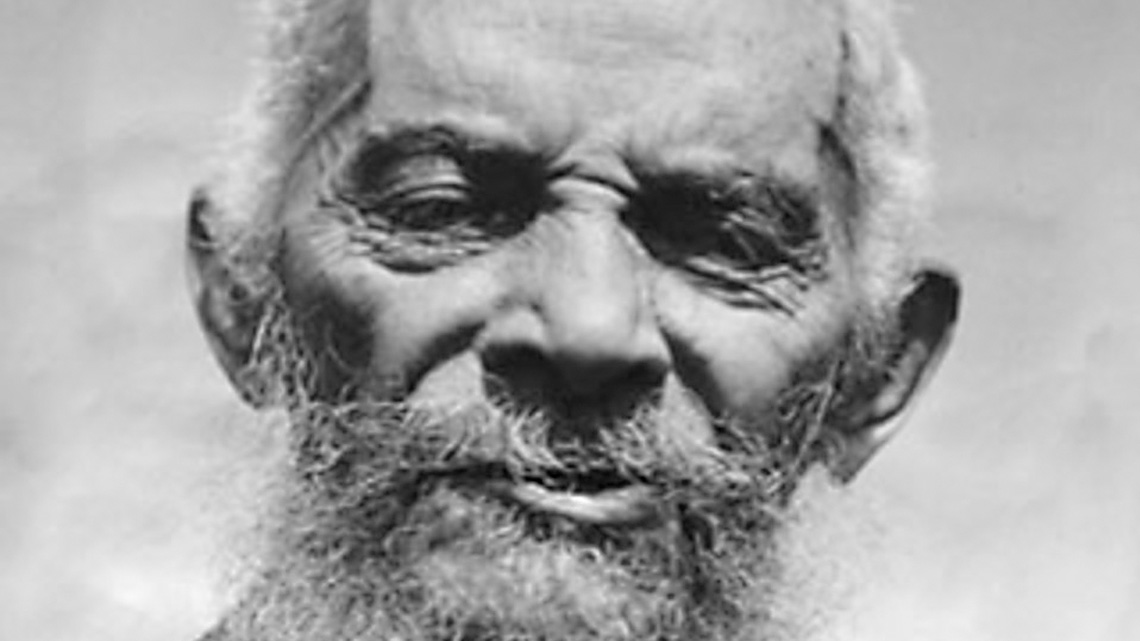
Those same values can be seen in the life of Charles M. Kinny, the first African American ordained minister in the Seventh-day Adventist Church.
Kinny was born on April 1, 1855, in Richmond, Virginia, during a time when slavery was still legal in much of the United States. While historians have not confirmed whether he was born enslaved or free, they do know that he grew up during the Civil War and the difficult years that followed. Like many African Americans of his generation, he witnessed a nation struggling to define what freedom truly meant.
After the war, Kinny’s family moved to Reno, Nevada. There he learned the barber trade from his father and began building a life for himself. But God had greater plans.
In 1878, Kinny attended evangelistic meetings led by Adventist pioneer J. N. Loughborough. During those meetings, Ellen G. White also spoke. The messages touched his heart, and he accepted the Seventh-day Adventist faith. He became one of the charter members of the Reno church and the congregation’s only Black member.
His new faith quickly turned into a calling.
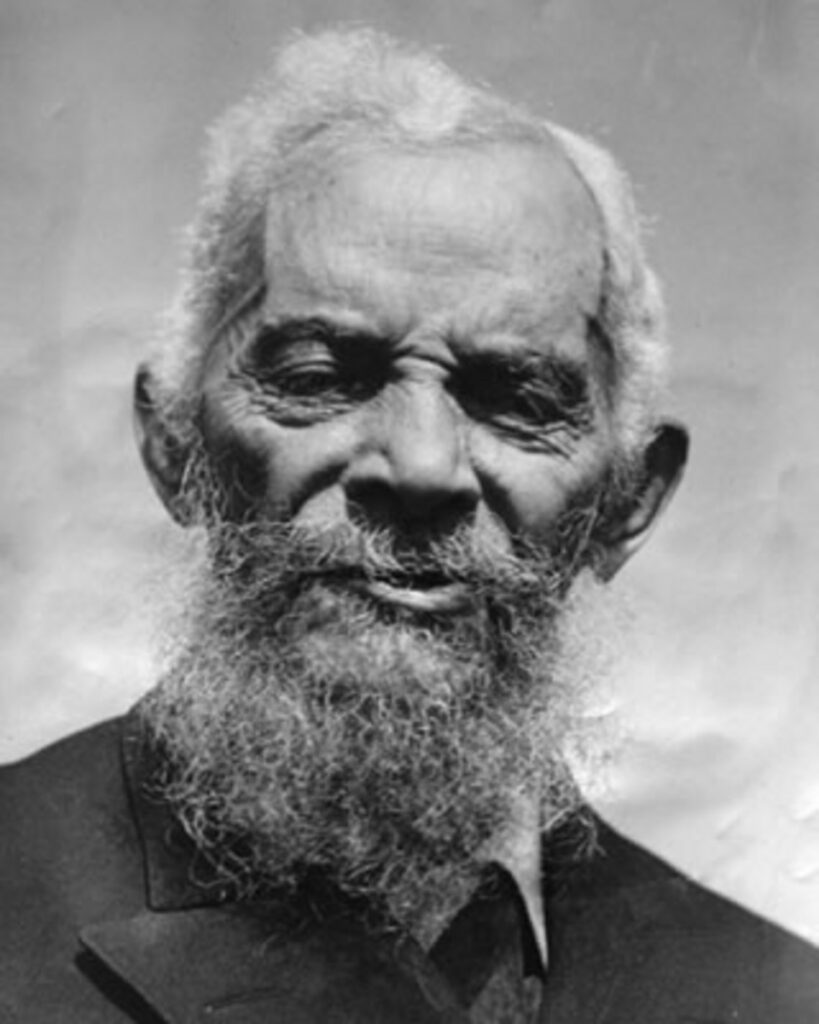 Kinny began sharing the gospel through literature ministry and local outreach before sensing that God was leading him to preach. In 1889, he became the first African American ordained minister in the Seventh-day Adventist Church after the denomination’s organization in 1863.
His ministry took him across the American South, where he preached, planted churches, and encouraged believers despite the racial barriers of his day. Even after slavery had ended, segregation and discrimination remained painful realities. Many doors were closed because of the color of his skin.
Still, Kinny refused to let obstacles stop him.
He traveled wherever he was invited, sharing the hope of Christ in homes, meeting halls, and churches. He baptized new believers and helped establish congregations that would continue serving their communities long after he was gone. Through his faithfulness, he opened doors for future generations of Black Adventist pastors and leaders.
His story reflects many of the same themes celebrated on Juneteenth.
Freedom is more than a historical event. It is the opportunity to grow, serve, and live with purpose. The newly freed men and women after the Civil War still faced enormous challenges, yet many pressed forward with determination and hope. Charles M. Kinny demonstrated that same spirit by dedicating his life to sharing the gospel and uplifting others.
His example also points to an even greater freedom found in Jesus Christ.
The apostle Paul wrote, “It is for freedom that Christ has set us free” (Galatians 5:1).
While nations can grant civil freedom, only Christ offers freedom from sin and the promise of eternal life. Kinny understood that true transformation begins in the heart.
Today, more than 160 years after Juneteenth, his legacy continues to inspire. He reminds us that faith can overcome barriers, that perseverance can outlast prejudice, and that God often uses ordinary people to accomplish extraordinary things.
As we remember Juneteenth, we celebrate the courage of those who endured slavery and the resilience of those who built new lives in its aftermath. We also honor pioneers like Charles M. Kinny, whose ministry reflected the hope, dignity, and determination that freedom makes possible.
His life encourages us to keep moving forward—trusting God, serving others, and proclaiming the good news that in Christ, true freedom is available to all.
Resources:
