














Ask what drew our three teachers to V. Lindsay Seventh-day Adventist School in Kansas City, Kansas, and you will get the same answer in three different voices: God brought them here. What they found when they arrived was a school in the middle of something remarkable. Over the past two years, V. Lindsay has been reimagining what teaching looks like in a small, multi-grade Adventist school through a strength-based subject specialization model, where each teacher focuses on the subjects they are most gifted in across all grade levels. The story of that transformation is best told through the people who live it every day.
Janel Fields: Coming home to something better
Janel Fields taught at V. Lindsay more than a decade ago. She left, faced serious health challenges, and felt the Holy Spirit impress upon her heart that this was where she was needed. So she came back, and returned to a school she barely recognized. Where teachers once managed every subject in self-contained classrooms, she now teaches art, Bible, science, and social studies across Pre-K through 7th grade. Her defining moment this year came during the science fair, watching middle school students confidently present concepts she had once been nervous to teach. About 90 percent of her students showed MAP growth by year’s end. She said that felt like a personal victory for her too. What has never changed, she says, is the heart of the school. Every child matters here. That was true before. It is still true now.
Jazmyne Damon: Trusting the process when you cannot see the whole plan
Jazmyne Damon was here when the transition began and lived through every difficult adjustment. She specializes in literacy and language arts, and her classroom runs on one conviction: every child is a capable learner whose gifts may simply look different from the child beside them. She tells her students there is no such thing as a dumb question, and that getting something wrong does not mean starting all the way over. When the specialization model launched, she anchored herself in Scripture, thinking often about how Moses and Joshua had to keep moving step by step without seeing the full plan. Schoolwide reading scores reflected the effort, climbing more than 30 percent during the pilot year. But she knew the change was worth it when she saw something the data could not fully capture: students who once disliked school were waking their parents up in the morning because they wanted to come.
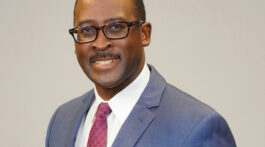
Dr. Reginald Dixon: When the model is all you know
Dr. Dixon did not transition into this model. He walked straight into it as a first-year elementary teacher with no prior classroom experience and no frame of reference for the old way. When asked what drew him to V. Lindsay, his answer was four words: it was literally God. He specializes in math, teaches with structured discipline, and gives students three core laws to apply in whatever way works best for them. He was candid about what surprised him: the processes were not as established as he expected. So he observed, adjusted and kept going. What he loves most about teaching this way is simple—watching the children grow and develop. When schoolwide MAP scores climbed more than 30 percent in math during the pilot, he had all the evidence he needed.
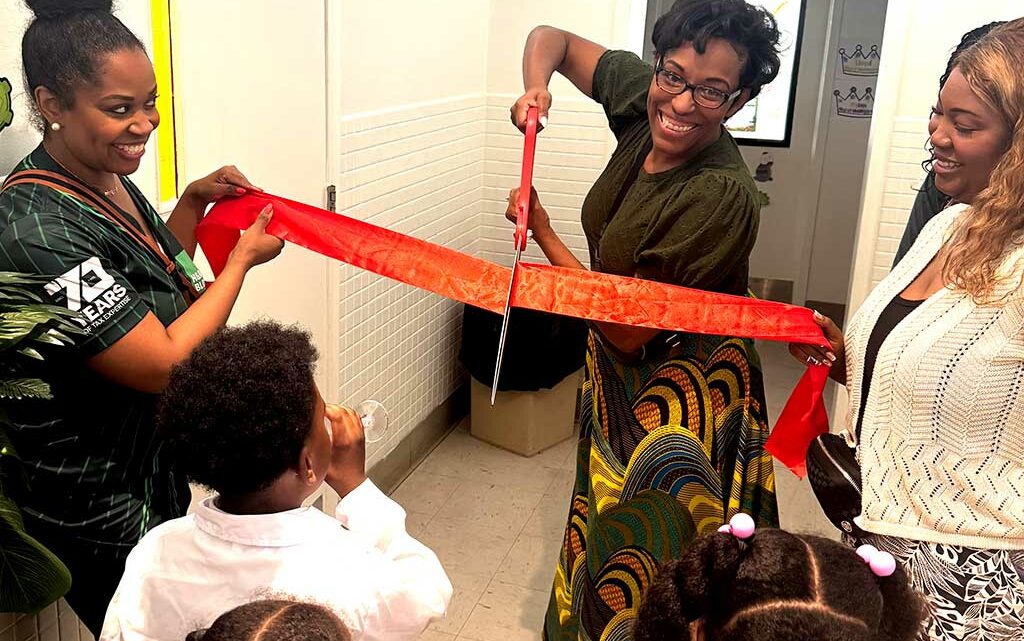
Three teachers. Three completely different journeys to the same building. Together they are building what one of them calls a kingdom-shaped workplace, where love, grace, excellence and joy are not words on a wall but the daily experience of everyone who walks through the door.
If you are a family looking for that kind of environment for your child, or an educator looking for that kind of mission for your gifts, V. Lindsay has a place for you. Come see what God is doing here.
At the time of this writing Schari Fontus, Ed.D. candidate, was superintendent of education for the Central States Conference of Seventh-day Adventists.
