











From small towns to larger cities, something special is happening. Young people are gathering—not just for fun or fellowship, but to step into leadership roles that are shaping the future of the Seventh-day Adventist Church.
Many of these young leaders are part of the Rocky Mountain Conference Hispanic Youth Federation (FEJA)—a lay-fueled ministry committed to reaching and empowering youth across the region. Founded in 2001 under the leadership of Robert Costa, then Hispanic ministries coordinator, FEJA was born out of a need for youth programming that crossed local church boundaries. Youth leaders at that time, such as Abner Escobar Portillo, championed the creation of a Hispanic youth federation for the conference. Two decades later that vision continues to expand.
The Rocky Mountain Conference is one of many in the North American Division that has a youth federation. These federations are formed when youth groups from several churches come together to create a unified body. Federation leaders work to foster fellowship, organize programming and—most importantly—develop leadership skills among young people.
FEJA and other Hispanic youth federations have collaborated with the Mid-America Union Conference for union-level youth events, further uniting churches across state lines and expanding the reach of culturally responsive youth ministry. The last collaboration occurred during the Mid-American Union Hispanic Conference, where 500 youth gathered in Nebraska. It was a powerful demonstration of various youth federations coming together to create spaces for youth to grow in Christ.
Connecting socially, spiritually, mentally
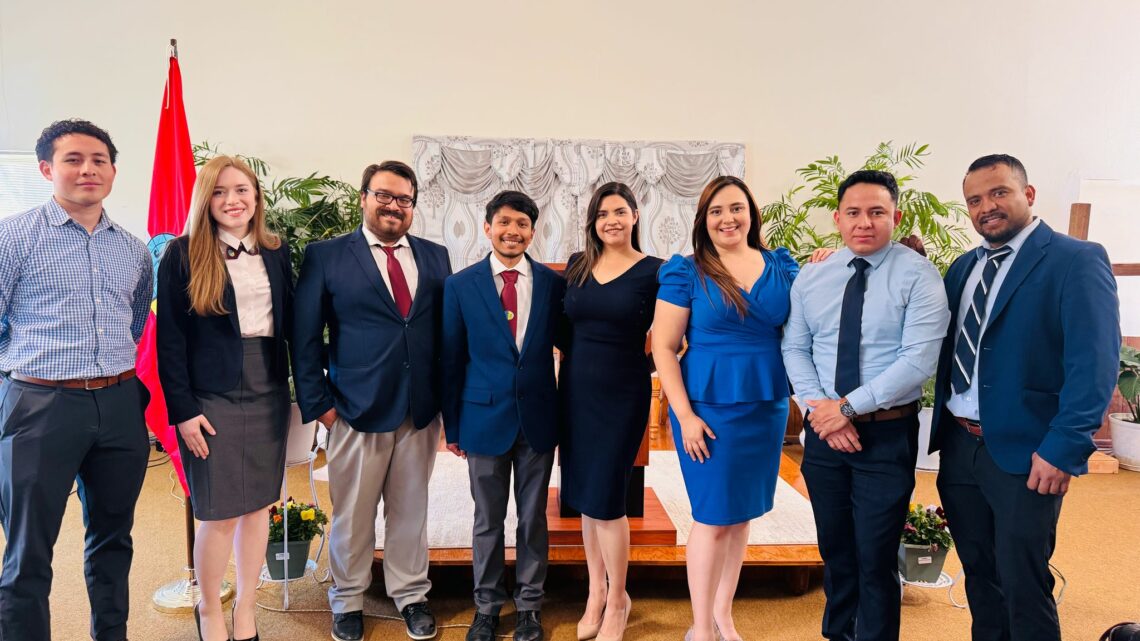
Today, FEJA is more than events and programs. It is a leadership pipeline—a space where Hispanic youth are actively developed into leaders who impact their churches, communities and the world. Every two years youth are nominated from across different churches for holding various officer positions including treasurer, music director, and evangelism director. They plan events that reach youth living in various parts of the region.
“FEJA has come to the realization that our impact should go beyond hosting opportunities for fellowship,” says Pastor Hugo Guillén, RMC associate ministerial director and director of multicultural ministries. “It’s about teaching young people how to lead—and then giving them opportunities to do it.”
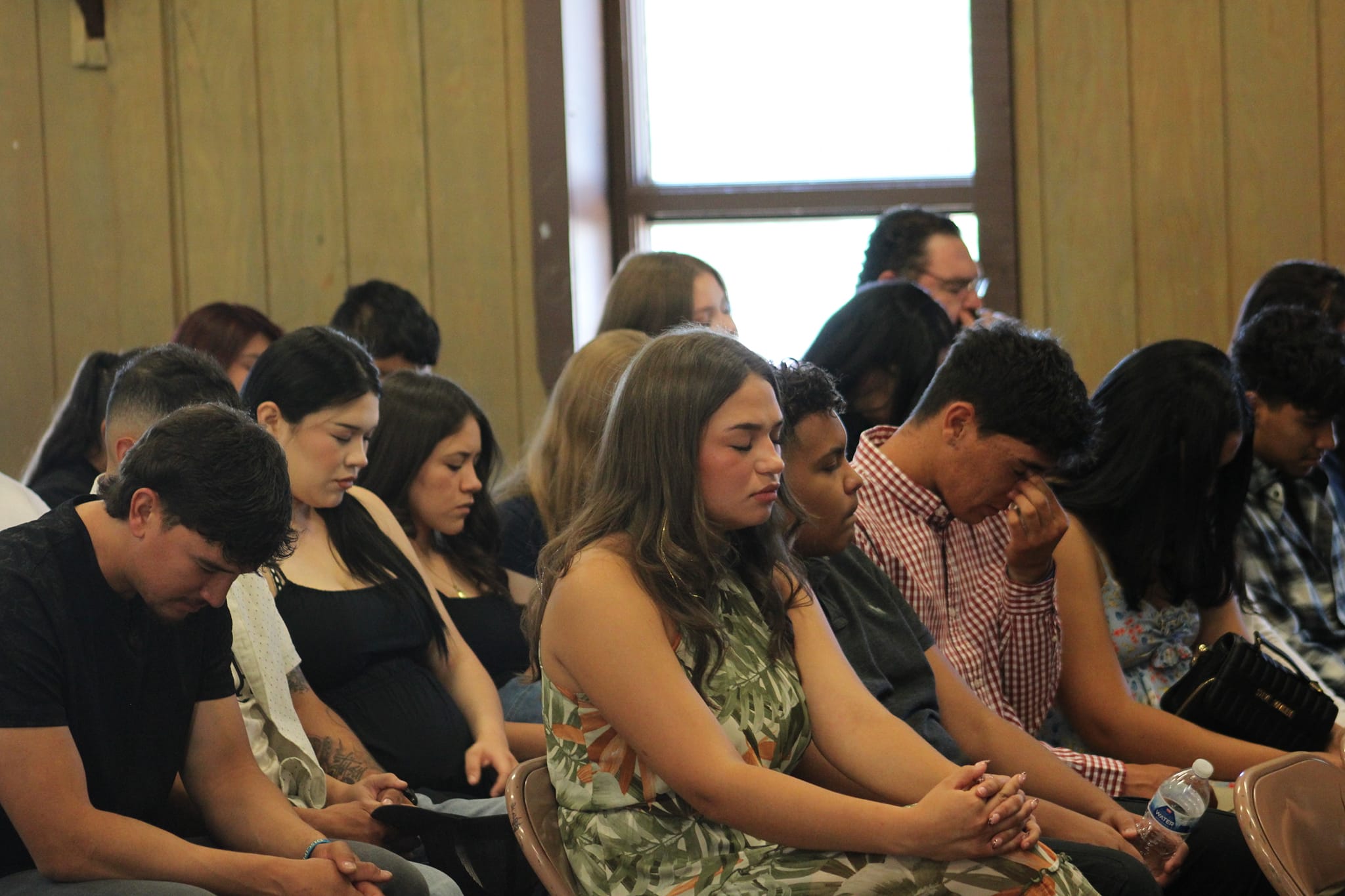
“Churches tend to focus inward, ministering primarily to their own youth,” adds Kevin Daniel Gonzalez, current president of RMC FEJA. “But FEJA creates a space where youth from different churches can connect socially, spiritually and mentally—touching on every core pillar of our humanity.”
 Hands-on mentoring
One of FEJA’s greatest strengths lies in its commitment to mentorship. The team actively identifies and recruits local youth leaders, bringing them into FEJA’s leadership structure and giving them hands-on experience in planning, organizing and leading events.
Leaders involved in FEJA facilitate worship, coordinate logistics, deliver devotionals and mentor their peers. It can also include sports tournaments, which draw in attendees of all ages, to have a Christ-centered sportsmanship experience. This leadership experience translates into greater involvement at the local church level, where many of them become Sabbath school teachers, deacons and even local church elders.
During Global Youth Day, FEJA organized simultaneous service events across the conference. Youth directors led their respective gatherings in Denver and Montrose, demonstrating collaboration in its purest form: Spirit-led and youth-driven.
To deepen its impact, FEJA introduced Hispanic youth leaders to MRNT, a discipleship-based leadership model from the South American Division. MRNT stands for the four essential pillars of a Christ-centered life:
- Mission – Living with purpose and keeping outreach at the center
- Relationship – Building meaningful community and spiritual connection
- Nutrition – Nurturing both spiritual and physical well-being
- Temple – Honoring our lives and our church as sacred spaces
“These four pillars are the foundation of our leadership strategy,” explains Kevin. “Our goal is to raise disciples who not only serve in their local churches but who can lead nationally and globally.”
A platform for every talent
This year, FEJA launched a five-year plan under the theme Juntos en Movimiento (Together in Movement), with each year focusing on one MRNT pillar. The final year will bring all four themes together in a celebration of spiritual growth and leadership development. Upon the launch of this framework, various leaders asked how they can use that model to train adult leaders as well.
Leading into this framework was a recent youth retreat themed Your Purpose in Me, centered on helping youth discover their spiritual gifts and learn how to use them for ministry. Led by Pastor Oscar Guity, it challenged the common idea that ministry is reserved for those who can sing or preach.
“Many young people think if they can’t preach or sing, they don’t have anything to offer,” says Kevin. “We’re changing that. Whether it’s creativity, tech, organization or design—those are all ministry tools. There’s a place for every talent in the mission of the church.”
The retreat hosted various workshops that included how to engage in social media ministry, music ministry, peer mentorship and evangelistic outreach for youth.
Across North America churches are grappling with the same concern: How do we engage our youth? The answer isn’t a one-size-fits-all program. It’s a mindset—a commitment to listen, empower and disciple. FEJA shows what happens when that mindset is put into action. Youth become more than attendees. They become agents of change. Their journey is a reminder to all of us that the church is at its strongest when every generation is engaged, and every culture is valued.
FEJA’s work is just one example of what can happen when we invest in young people. Hispanic youth are discovering that ministry isn’t reserved for a select few—it’s open to anyone with a heart to serve. They are not just the future of the church. They are the present.
Vanessa Alarcón is the head elder of the Boulder Adventist Church and serves on the Rocky Mountain Conference Executive Committee.
