











For millions of Deaf people around the world, the greatest barrier to the gospel isn’t unwillingness—it’s access.
Many hearing Christians think first about the accommodations Deaf people may need. But Amanda Colgan, director of Three Angels Deaf Ministries (3ADM), believes that view can miss something essential.
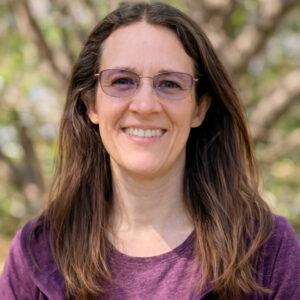
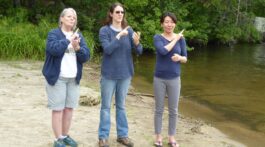
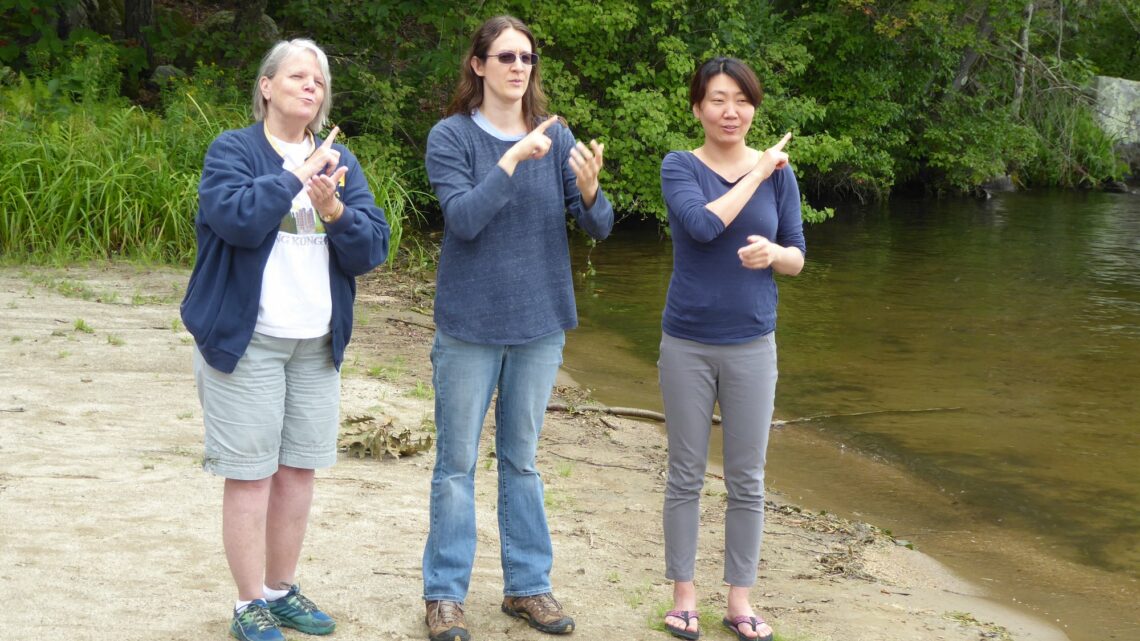
“The Deaf community isn’t defined by what’s missing,” Colgan explained during a recent conversationwith OUTLOOK. “It is a cultural and linguistic identity.” That distinction matters. Many Deaf people see themselves as part of a vibrant community with its own language, traditions and history. American Sign Language (ASL) is not simply English translated through hand motions. It is a complete language with its own grammar, sentence structure and unique ways of expressing ideas.
Understanding that reality is at the heart of Three Angels Deaf Ministries. Named after the three angels’ messages of Revelation 14, the ministry exists to ensure that Deaf people can experience the gospel in a language that speaks to both their minds and hearts.
Enormous need
Colgan estimates that roughly 98 percent of Deaf people worldwide have had little opportunity to know Jesus, often because they have not had access to the gospel in a language they fully understand.
ASL is a visual language that uses movement, facial expression and space to communicate meaning. When the Bible is shared directly in ASL, Deaf people can engage with its stories and teachings in the language they know best.
For Colgan, that conviction is deeply personal. She grew up in a Christian home, but faith was not part of daily life. Her family went to church mainly on Christmas and Easter. There, she often felt like she was in a fishbowl—present but unable to follow what was being preached. She had never read the Bible for herself. At 21, a friend shared about Jesus praying in Gethsemane. Wanting to know more, Colgan bought her first Bible and began to read. “It was indescribable,” she recalled. “As I read, I felt an incredible thirst to learn more about God.” Soon afterward she met Deaf pastor Paul Kelly, who gave her Bible studies. Those studies eventually led to her baptism—and to a lifetime of ministry sharing the same hope with others.
Today, 3ADM shares the gospel with Deaf people through Bible studies, resources, outreach and discipleship training. Through its Deaf Bible School, people can take Bible lessons created for Deaf learners by mail or online. They can also study the Bible by videophone with Deaf Bible teachers. The ministry publishes books in Clear, Easy English, creates Bible-based videos in ASL and produces The Deaf Messenger, an outreach quarterly magazine. It also trains lay members to give Bible studies and meets Deaf people through outreach booths at Deaf expos.
A place to belong
But Colgan believes churches themselves also have an important role to play. Too often, she says, churches assume that providing an interpreter is enough. “Access is essential,” she explained,
“but access alone isn’t belonging.” True inclusion means inviting Deaf members into the life of the congregation—not simply providing information, but encouraging them to teach, lead, serve and build relationships alongside everyone else.
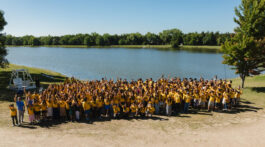
One story continues to motivate Colgan. Years ago, a young Deaf girl at camp hesitated to pray because she believed God could not understand sign language. Deeply moved, Colgan said, “God understands every language—American Sign Language too.” That simple truth continues to drive the mission of Three Angels Deaf Ministries:
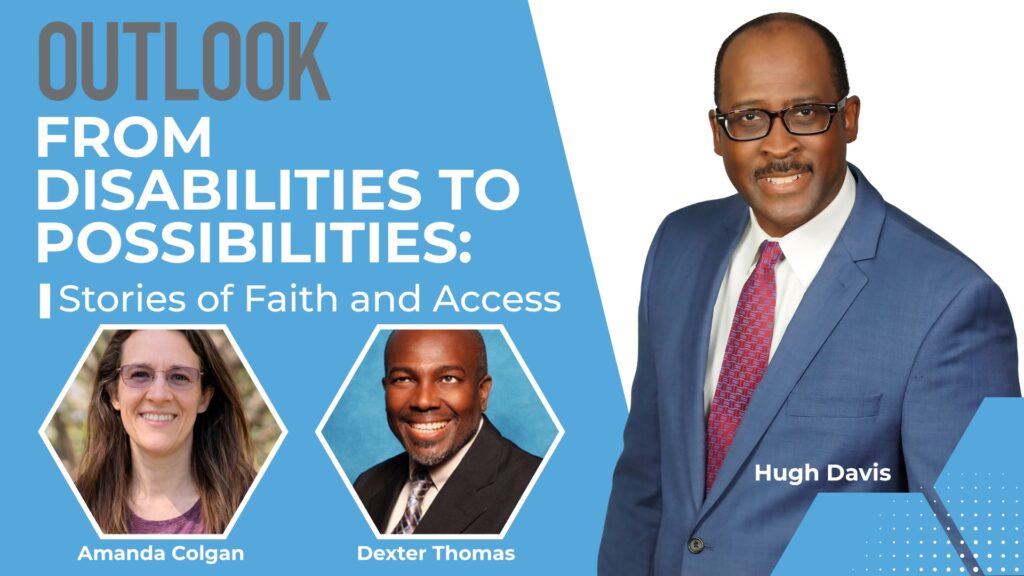
To watch the complete conversation with Amanda Colgan of Three Angels Deaf Ministries and Dexter Thomas of Christian Record Services, visit the OUTLOOK YouTube channel and watch From Disabilities to Possibilities | Stories of Faith, Access & Belonging. The discussion explores how churches can remove barriers, create belonging and help ensure that no one is left out of the gospel.
To learn more about Three Angels Deaf Ministries or support its mission, visit 3adm.org.