















Sabbath School Lesson for October 10-16, 2026
Introduction of Lesson 3, Old Testament Prophets
Memory Text: “Jehoshaphat stood and said, ‘Hear me, O Judah and you inhabitants of Jerusalem: Believe in the Lord your God, and you shall be established; believe His prophets, and you shall prosper’ ” 2 Chronicles 20:20 NKJV
Jehoshaphat, the faithful king of Judah who was mentioned in the genealogy found in Matthew’s s Gospel, encouraged God’s people to believe the prophets, recognizing that to do so would lead to their prosperity.
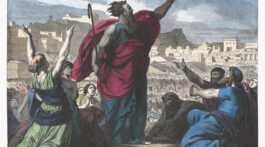
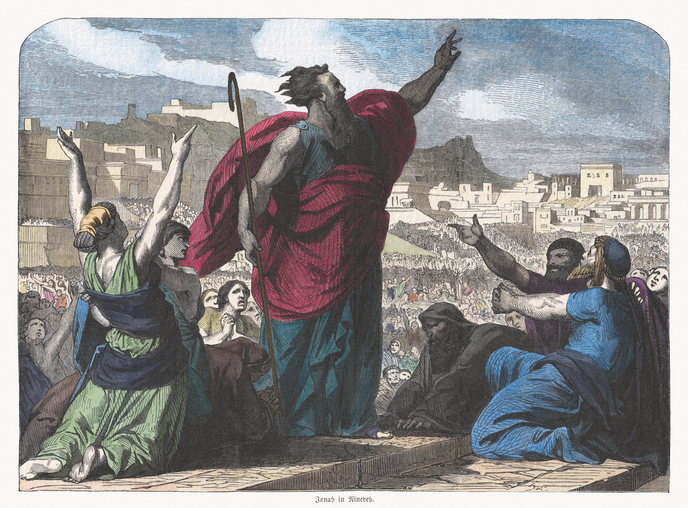
From Isaiah to Malachi, the prophetic books of the Old Testament occupy about the same number of pages as the entire New Testament. The ministry of these prophets was vital to assure there would be some on the earth who would respond well to their Redeemer.
Through the untiring, sacrificial work of prophets like Moses, Elijah, and Isaiah, and even several women like Miriam, Deborah, and Huldah, Israel helped prepare the world for the Messiah. Those of us looking for the Second Coming of Jesus also have an opportunity and duty to know and believe these prophets today. We would do well to pay attention to their urgent cries for reform.
This week, we’ll explore:
- Sunday: The Humanity of Prophets
- Monday: Identifying True Prophets
- Tuesday: Functions of Prophets
- Wednesday: Women Prophets
- Thursday: False Prophets
- Friday: Not Perfect But Willing
Sunday: The Humanity of Prophets
“The effective, fervent prayer of a righteous man avails much”, declared James in chapter 5, verse 16. To illustrate this, he mentioned the prophet Elijah, who had “a nature like ours”, but prayed so earnestly that God sent a drought and then ended it, based on Elijah’s prayers (James 5:17-18).
To confirm the humanity of Elijah, we are told that after the extreme success he had on Mt. Carmel, he became so emotionally disturbed about Jezebel’s threat to kill him that he ran away from the situation and asked God to let him die (1 Kings 19:1-16).
When a sense of failure overwhelms us, let’s remember the story of Elijah. There are many Bible promises that help when we are discouraged. But most of all, we should never stop praying. God is listening to every fervent prayer, despite our often weak amount of faith.
Verses for reflection and discussion:
James 5:17-18 and Psalm 103:14
- What kind of nature did Elijah have, and how did it affect how God heard his prayers?
- What does this tell us about the effectiveness of our own prayers and how bold we should be in our requests?
1 Kings 19:1-9
- What was Elijah’s mental state and how surprised are you that he would feel that way so soon after the miracle on Mt. Carmel?
- How does adequate rest and proper nutrition affect our mental state?
1 Kings 19:12, 13 and Psalm 46:10
- How did God end up speaking to Elijah and why?
- Why is being in a quiet place important for being able to hear God’s voice?
- How, when, and where do you find that quiet place for hearing God?
- How is this need for stillness related to Sabbath worship?
Monday: Identifying True Prophets
It’s thought better to study what actual bills and coins look like, when you’re training to identify false, counterfeit money. For much the same reason, we should look more for ways to identify true prophets who speak only with God’s authority.
Keep in mind that men of God were chosen to speak for Him (1 Samuel 9:6). Men and women, who are fully human like we are, but who operate with faithful honesty, sharing God’s word accurately and fully, even when the message is unpopular and unwelcome.
We may think that false prophets are only present in the last days, but even followers of God in the Old Testament had to deal with them. Deuteronomy 18:20-22 verifies their presence. Although the death penalty would no longer be appropriate, we understand from the punishment back then that false prophets should be ignored and avoided as much as possible. Later, Jesus said to beware of “false prophets…who are inwardly ravenous wolves” (Matthew 7:15).
Verses for reflection and discussion:
Deuteronomy 18:20-22, 1 Samuel 9:6, and Matthew 7:15
- How should we treat false prophets when we recognize them in the world today?
- What qualities of a true prophet do you most admire?
Tuesday: Functions of Prophets
It was not God’s plan to have Israel ruled by kings as they requested. But the Israelites wanted to be like other nations around them, so the prophet Samuel was finally given permission to give them a king. The anointing of Saul to be king was one of the duties of a prophet. Pouring oil over someone indicated that they were blessed or consecrated for a special purpose.
Another function of prophets was to rebuke those who were not following God as they should. That would include many unfaithful kings of Israel and later Judah, but also some nations, and even priests serving in the temple.
Prophets were called to teach God’s will to all who would hear them. This, along with their rebukes, understandably made them unpopular with many in the land. As we know, it went beyond being unpopular; they were often harmed and killed by those in authority who did not like their message.
Verses for reflection and discussion:
1 Samuel 8:4-22
- Why did Israel want a king, and why did God relent and give them one?
- What does this tell us about the God we serve, and how we should listen to His messengers?
Leviticus 8:10-13
- What and who did Moses anoint, and what did it signify?
Malachi 2:1-2 and Isaiah 62:1, 2
- Besides kings, who else did prophets have messages for?
Wednesday: Women Prophets
God doesn’t overlook women when He calls people to speak for Him. Several women prophets, or prophetesses as they were called, are mentioned in the Old Testament. There was Miriam, Deborah, and Huldah, for example, who each played a significant role in the nation of Israel.
Miriam led a song of victory after the Hebrews passed through the Red Sea. Like her human, male counterparts though, she had to be chastised by God for jealous feelings concerning her brother Moses. Deborah’s song of victory was also recorded in Judges 5:2-31. And we mustn’t forget Huldah’s solemn counsel, which resulted in many religious reforms during the reign of Josiah.
The New Testament informs us that 84-year-old Anna, who’d been a widow most of her life, saw baby Jesus when He was brought to the temple to be circumcised. She boldly proclaimed to all those who were looking for the Redeemer that He had finally come in their time. See Luke 2:36-38.
Verses for reflection and discussion:
Exodus 15:20, Judges 4:4, 2 Kings 22:14, Nehemiah 6:14, and Luke 2:36
- Who were some other women that Jesus recognized and called to serve Him?
- Why do you think God chooses women, as well as men, to speak for Him?
- What specific ways have women contributed to God’s cause?
- How should awareness of the importance of women affect our attitude about their place in society, including the church?
- What can you and your church do to show proper respect and appreciation of women?
Thursday: False Prophets
Besides speaking hard, unpopular truths, true prophets were known to have their predictions fulfilled. In addition, their messages were consistent with prior revelations in God’s word; and their lifestyles, though not perfect, demonstrated faithfulness and moral integrity that was noteworthy and admired.
Just as there were prophets who spoke with the authority of God, there were counterfeit, or false, prophets who spoke words they received with the authority of false gods. Some even “spoke out of their own heart” (Ezekiel 13:2), often reflecting the most popular views, in order to satisfy their hearers and remain popular themselves.
There were many false prophets in the time of Jeremiah. Unlike them, he mourned woefully about the soon-coming Babylonian captivity. This made him unpopular and known as the “weeping prophet”.
Verses for reflection and discussion:
Jeremiah 14:1-6
- What was happening in the land when Jeremiah spoke these words?
Jeremiah 14:11-16
- How did God feel about false prophets and how would He deal with them?
- Why is it not a good idea to follow the most popular thing in our culture today?
Friday: Not Perfect but Willing
Young Ellen G. (Harmon) White was very young, rather shy, and definitely not in the best of health when God started sending her visions. She prayed at the time that God would relieve her of the burden of publicly sharing them. But close, fellow believers prayed and encouraged her until she agreed to devote her life to doing so.
Her speaking engagements, and later prolific writing, eventually led to the development of the Seventh-day Adventist church in 1863. She was very influential in the establishment of its worldwide hospitals and schools.
Ellen White’s personal faults and struggles that continued to challenge her faith throughout her life remind us that, like prophets in the Old Testament, God doesn’t call us because we are perfectly suited for the job. Instead, He asks only that we be willing to accept the spiritual gifts we are given. He equips for service only those who are willing to listen to and follow His voice wherever He leads.
Next Week: New Testament Prophets
To read the Sabbath School Lesson Quarterly and see more resources for its study, go to
