











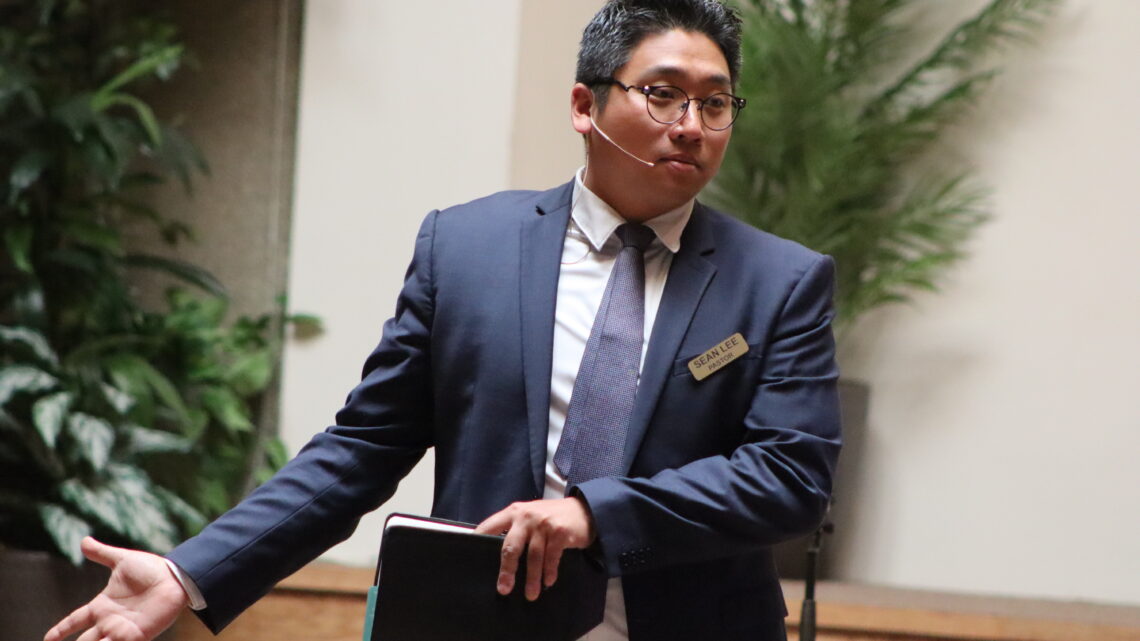
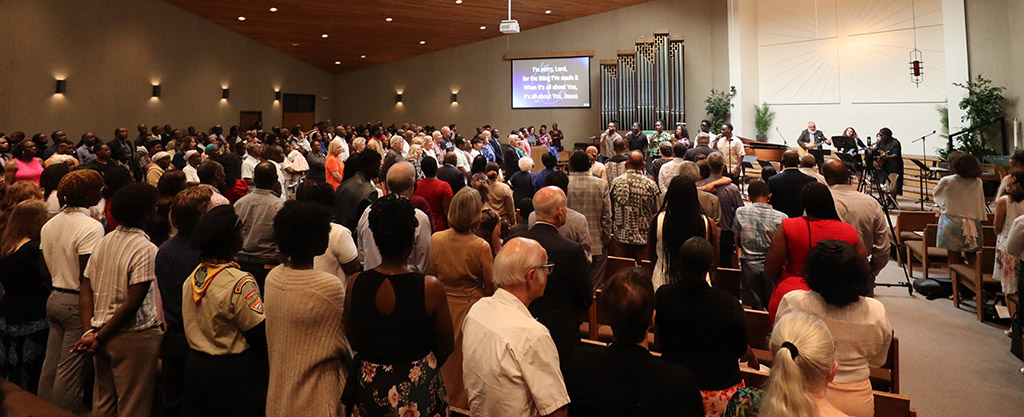
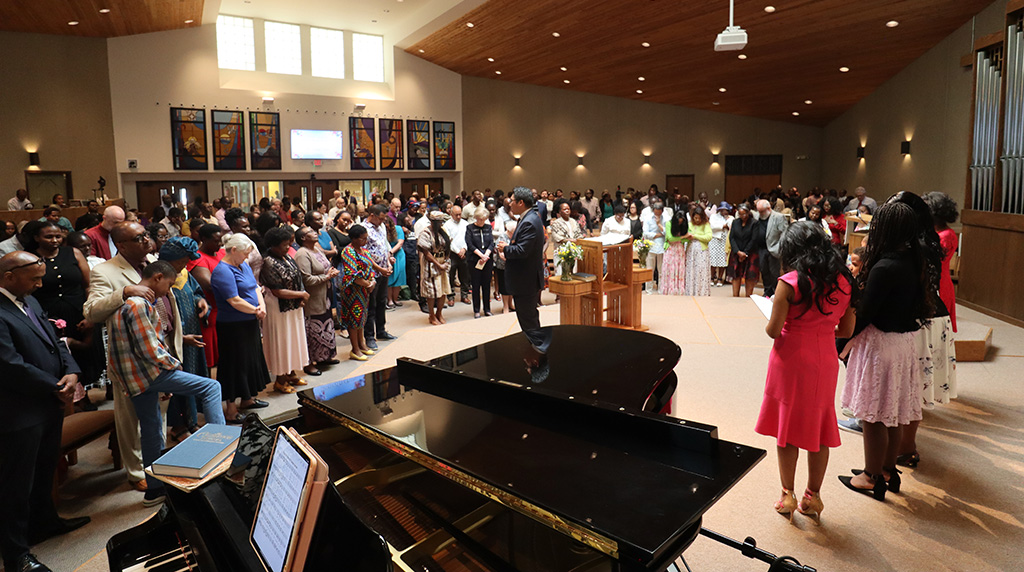
When more than 500 people gathered for Southview Seventh-day Adventist Church’s first Sabbath in its new home, the celebration marked more than a move. It reflected years of prayer, shared leadership and patience—lessons Pastor Sean Lee (이세현) believes can help other churches navigate major decisions under the guidance of the Holy Spirit.
For Southview, the journey included three distinct seasons: leaving an owned church building, worshiping in a rented space for nearly seven years, and finally moving into a permanent home in Eagan, Minnesota. Pastor Lee says each stage shaped the church long before the doors to the new building opened.
“This wasn’t just about finding a church,” Lee said. “It was about who we were becoming as a church while we waited.”
Leading through transition, not around it
When Southview sold its previous building and moved into a rental church, leaders faced a key choice: slow down and wait, or continue growing as if the church already had a permanent home.
Lee said the leadership chose to keep moving forward.
“If we weren’t growing while we were renting,” he said, “it would be even harder once we moved. We didn’t want to restart everything.”
That mindset shaped how elders, deacons and ministry leaders approached the season. Children’s ministry, Pathfinders and outreach continued. Leaders stayed intentional about connecting with families and members, even when space and scheduling were limited.
Lee admits the rental years brought challenges, but he also sees them as shaping who the church is today.
“That season taught us flexibility, humility and how to depend on one another,” he said.
A team-led search, not a pastor-driven one
One of the strongest themes in Southview’s story is shared leadership. Lee is clear that the search for a church home was never his project alone.
“If you have Spirit-filled, mission-driven people with professional skills, let them lead,” he said. “Pastors shouldn’t pretend they know everything.”
Southview formed a facility steering committee that included members with experience in finance, management, architecture and law, along with a mix of younger and older members. Instead of guessing what the church needed, the group gathered real information—observing children’s programs, measuring space and studying how ministry actually functioned.
The church board and congregation were kept informed along the way. Lee said this transparency mattered. “People needed to feel ownership,” he said.
“This wasn’t about one voice. It was about discernment together.”
When listings were limited, elders expanded the search by driving through different communities, identifying churches that might fit, and making calls. Lee said the process required persistence and participation from many people—not just leadership meetings.
Prayer as more than a formality
Planning and spreadsheets were part of the process, but Lee says prayer carried equal weight. Southview’s prayer teams consistently lifted the search, especially during discouraging seasons when options seemed nonexistent.
“At one point, there was nothing out there,” Lee said.
“That’s when we realized all the planning in the world doesn’t replace God’s timing.”
That lesson became clear when the church explored purchasing the building it had been renting. Leaders believed it made sense, but doors repeatedly closed. Rather than pushing forward, they paused.
Looking back, Lee believes God was redirecting the church. “We thought that was the path,” he said. “But God led us away from it and toward something better suited for us.”
When the building Southview ultimately purchased became available, it did not immediately stand out on paper. But leaders felt impressed to visit and pray. Once inside, many sensed the same conviction: this was where God was leading.
“It wasn’t the option we expected,” Lee said. “But it was the one that brought peace.”
Funding the vision—together
Southview’s ability to move forward was supported by multiple capital campaigns over several years, rather than one large push. Lee said the goal was not just raising funds, but keeping the vision alive during a long waiting period.
Early campaigns helped prepare the church for transition. Later efforts reminded members that renting did not mean giving up. Even when there was no clear building on the horizon, members continued giving faithfully.
One capital campaign stood out for its impact—the one led largely by young adults.
Instead of simply participating, young adults were invited to lead, with support from experienced leaders. Some brought professional experience in fundraising, finance and planning. The campaign focused on the idea of Planting Our Future, emphasizing that the next generation had a stake in where the church was headed.
“It felt different when young adults stood up and said, ‘This is our future,’” Lee said. “It gave them ownership.”
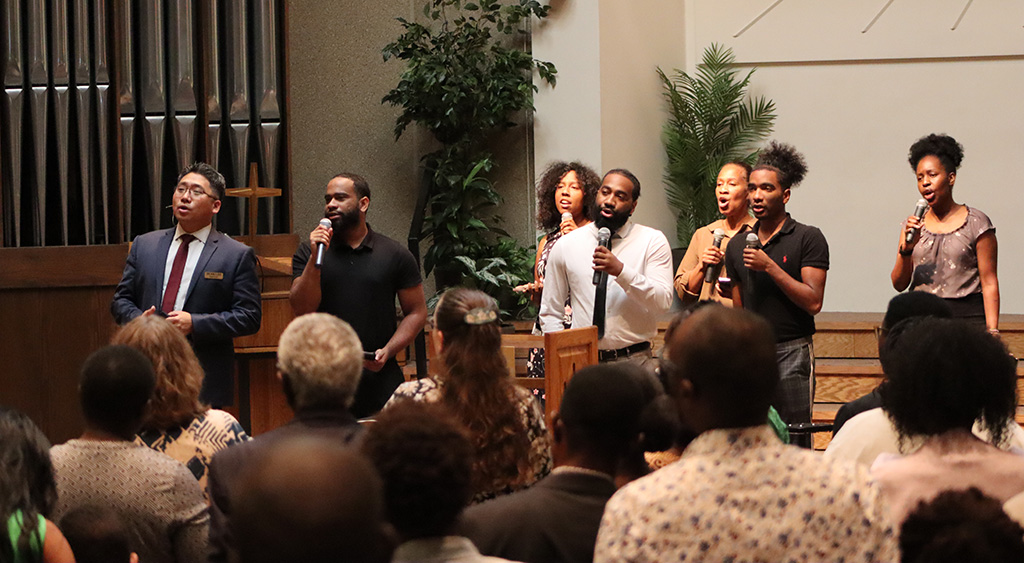
That involvement strengthened the church across generations. Older members saw young leaders stepping forward. Younger members felt trusted. Together, the church stayed engaged in the long process of waiting and preparing.
Lee believes church identity played a major role in the success of the campaigns. “People need to know who they are, where they’ve come from, and where they’re going,” he said. “When that’s clear, generosity follows.”
Moving carefully into what God provided
When Southview finally moved into its new building, leaders resisted the urge to rush decisions. Lee said the number of choices—large and small—was overwhelming. Moving too fast, he warned, can divide a church.
“We wanted to do things right, not just do them quickly,” he said.
That same intentional approach continues as Southview settles into its new community. The church is now in a visible location, known to residents and community leaders. Lee sees that as both a responsibility and an opportunity.
Southview’s mission statement—“Sharing the truth, love, and hope found in Christ Jesus”—guides the next chapter.
The word sharing, Lee says, is intentional. The church wants to be outward focused, connected to its new community, and guided by the Holy Spirit as it builds relationships in Eagan.
A visible place, and a clear calling
Southview’s new church sits on a hill near a well-known intersection in a highly visible location. Lee said he has been preaching from Matt. 5:14–16, especially the line: “A city set on a hill cannot be hidden.”
“We believe God placed us here for a reason,” he said.
“Our role now is to listen, serve and let the Holy Spirit guide how we live out that mission.”
 March 2026