















Pastor Marty Resz walked into his first meeting at the Clinton Seventh-day Adventist Church and heard something pretty discouraging. The longtime members had a warning for him: evangelizing in Clinton? Forget it. The community wouldn’t come. They didn’t trust the church.
But Pastor Resz and the congregation decided to try something different—forget the typical approach and just focus on meeting immediate needs and building genuine relationships.
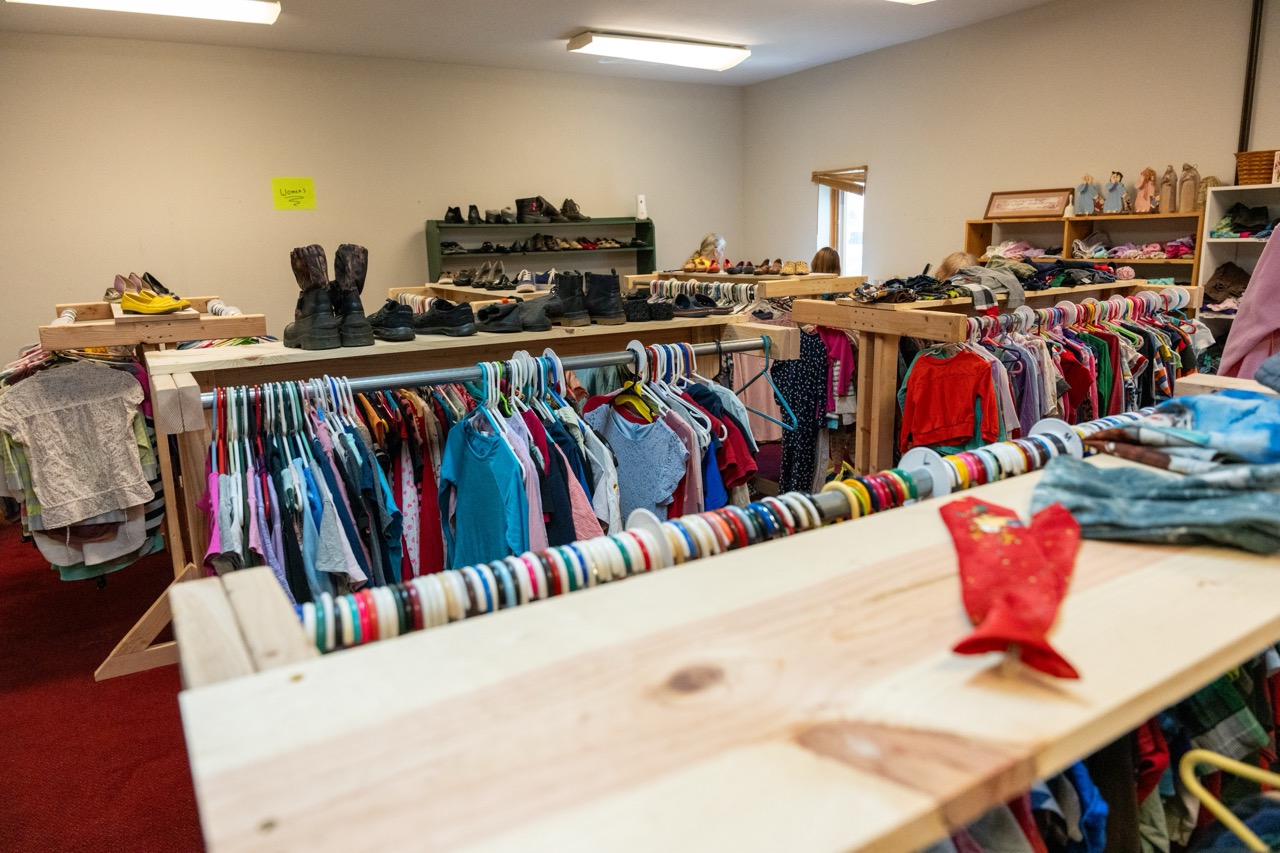
Here’s where things stand today: God’s working powerfully through this small Missouri church. Their free clothing store and monthly food distribution are serving around 175 households and up to 131 people each week. What started as a simple “bridge event” has become a ministry that’s changing both the community and the church.
“We’re in serious times,” Pastor Resz explains. “People are struggling, and the cost of living is going up. Everything went higher.” The need has doubled — from just 50 to 60 cars monthly to where it stands now —and the church is responding with open hearts and open doors.
A Ministry That Sustains Itself
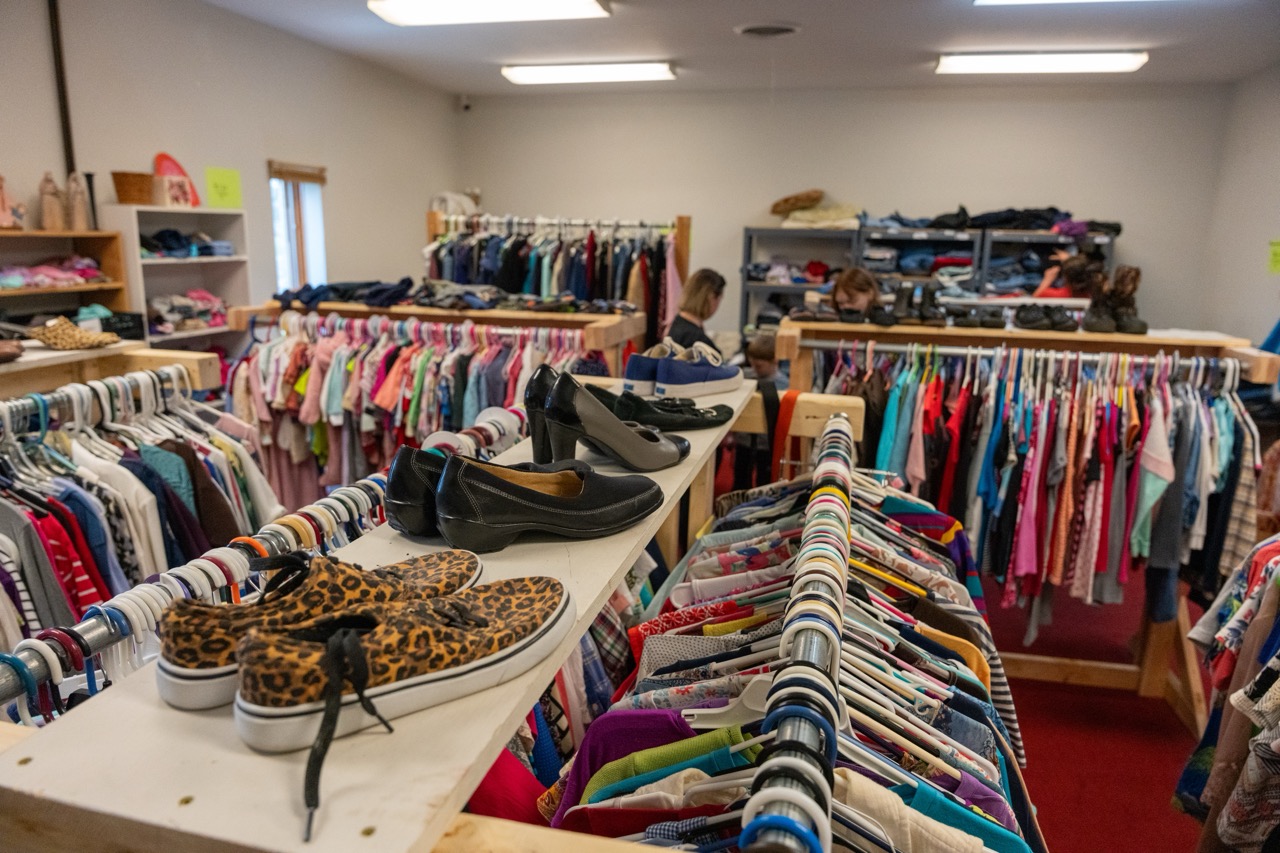
They’re running the free clothing store out of an old school building. Pastor Resz calls it a “continuous bridge event”—basically, it’s a weekly ministry that tackles immediate community needs while building relationships that last. The best part? Everything comes through donations, including volunteer time. That means the church can serve without worrying about money.
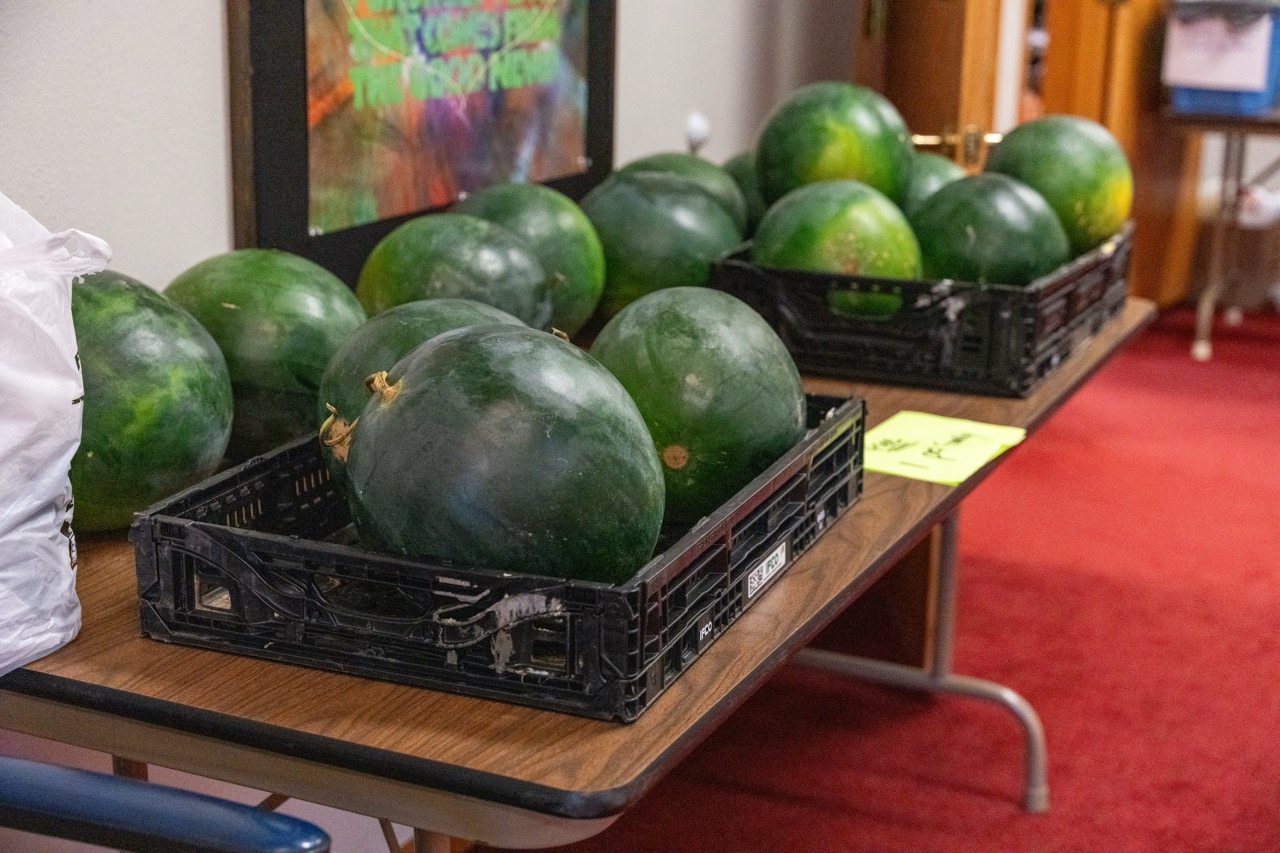
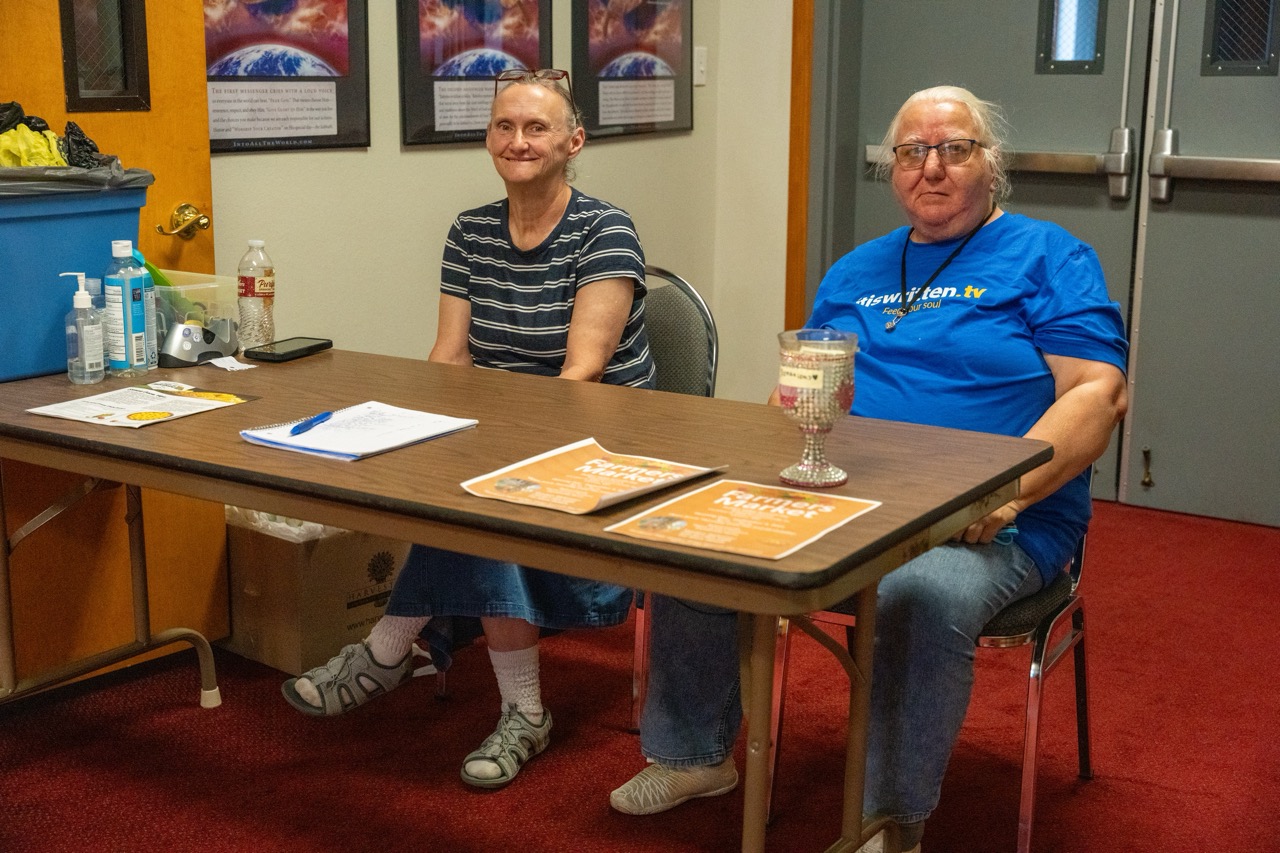
And they’re not stopping there. Plans are in the works for a food pantry and farmer’s market that’ll follow Adventist health principles while still serving practical community needs. “This doesn’t cost the church money,” Pastor Resz emphasizes. “Everything’s donated, time’s donated, and we’re reaching people.”
Seeing the Real Need
You can see just how deep the need runs at the monthly mobile food bank distribution. One elderly woman showed up the night before and slept in her car with sleeping bags because she couldn’t afford to keep the engine running for heat. Another couple talked about both their gratitude and how hard things are: “Thank God we’ve got it, or we would probably be lying underneath a tree somewhere.”
These are the folks the Clinton church is reaching—neighbors dealing with real struggles who need way more than just an invitation to church.
Following Jesus’ Example
What the Clinton church is doing really comes down to getting back to Christ’s method of ministry. “What did Jesus do?” Pastor Resz asks. “He met immediate needs and he said, come follow me.” So instead of kicking things off with traditional health seminars, they looked at what people actually needed most—clothing and food.
“You can go get food for free at a lot of places,” Pastor Resz explains. “But where do you go to get clothing for free? There’s hardly any left.” Even thrift stores have gotten too expensive for many families. Prices are now matching those of regular retail stores.
This hands-on ministry is opening doors that looked permanently shut.
Volunteers Finding Purpose in Service
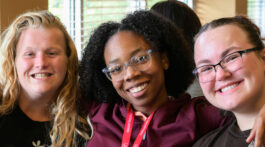
This ministry has given church members and volunteers a fresh sense of mission. One retired volunteer calls it “local mission work.” She explains it this way: “I’ve been wanting to get into mission work and I can’t really go overseas or anything. So this is my local mission work.”
The daily interactions tell you why this matters. Volunteers help guys looking for pants they desperately need, assist disabled folks who can’t carry everything, and see people grateful all the time. “There’s always lots of stories. People are so thankful,” one volunteer shares.
Another volunteer puts the blessing simply: “Just being able to help others who are in need. They’re so thankful for us being here. It’s a blessing to me that we’re able to help others in that way.”
A Community Giving Back
What’s really something is how the community has embraced this whole thing. People aren’t just taking—they’re giving back too. “The community gives greatly,” one volunteer notes. “It’s really pretty even keel. Just as much if not more than what they take.”
Regular visitors have become friends, and word spreads naturally when you’re actually meeting people’s needs.
Breaking Down Barriers, Building Up Faith
The transformation has been dramatic. When Pastor Resz arrived, members told him that evangelizing was impossible. The community saw the church as a cult. “They hate this church,” members warned. “Nobody likes this church.”
But God had other plans. Today, literature flies off the racks faster than volunteers can restock it. Bible studies are happening all over town. People who came in for clothing have stuck around for the Wednesday night prayer meeting. New families have transferred their membership to be part of this. Members are driving in from Windsor and the surrounding areas to volunteer.
“We’ve had so many Bible studies. People come to church,” Pastor Resz shares. “We had Wednesday night prayer meeting. We had people stay for that.”
Letting Jesus Lead
Right from the start, Pastor Resz laid out a clear, Christ-centered philosophy for volunteers: “I said, if you’re here and your goal is to go out and make Seventh Day Adventists out of these people we’re going to study with, you need to leave. Our goal is to build relationships. It’s to lift up Jesus Christ. Let Jesus lead these people.”
This approach has completely changed how the congregation thinks. “They absolutely are on board with this and now they tell other people that, they tell other Adventists that,” Pastor Resz says. The church has learned to trust the Holy Spirit’s work instead of trying to force conversions.
Touching Young Hearts
One of the most touching moments came when they opened the clothing store to students from Sunnydale Academy on Sabbath afternoon. “I got pictures of them. They were so excited,” Pastor Resz recalls with evident joy. He told the students there was no limit—”I said, get what you need.”
The impact made it all the way back to campus. The students’ teacher called afterward to share what happened: “They’re telling everybody it’s the best church you’ve ever been to, because it meant so much to them.” For young people who don’t have much, getting to choose clothing they actually need and want—that was more than just practical help. It gave them back some dignity.
Gaining Community Trust
The ministry’s impact has gotten noticed beyond just the church walls. State Representative Mark Halford featured the clothing store in his office newsletter, and community members have been sharing info on social media. “When I first started sharing it around, it blew up,” Pastor Resz remembers. “The community was like, what in the world?”
In October, just months after launching these initiatives, CBS News spotlighted the church’s food distribution work, highlighting how rural communities are responding to growing food insecurity. The national attention just confirmed what the Clinton congregation already knew—when churches meet real needs, people notice. That initial disbelief has turned into genuine appreciation and partnership. Link to Video
Looking Forward with Faith
The church is getting ready to launch a food pantry and farmer’s market now, both running under Adventist health principles. As one volunteer puts it, “I feel like I’m doing the Lord’s work”—and that sentiment pretty much resonates throughout this ministry.
No Comment