














Sabbath School Lesson for October 11-17, 2025
Introduction of Lesson 3, Memorials of Grace
Memory Text: ” ‘For the Lord your God dried up the waters of the Jordan for you until you passed over, as the Lord God did to the Red Sea, which he dried up for us until we passed over, so that all the peoples of the earth may know that the hand of the Lord is mighty, that you may fear the Lord your God forever.’ ” Joshua 4:23, 24 ESV
The Israelites crossing of the Jordan River reminds us of their earlier crossing over, or passing through, the Red Sea on dry ground. Once again, by following God’s lead, symbolically represented by the ark of the covenant this time, they were made to know that God would continue to miraculously save them from their enemies, just as He had done in the past. Israel needed this added faith booster for the difficult task that was ahead of them in Canaan.
God understands how short our memories are and how easily we are distracted. So, He sets up ways we can memorialize events, in order to remind us of His power to bring us through our trials.
In addition to the stories told from generation to generation, He sometimes instructed that a pile of rocks or some kind of physical monument be set up. A memorial could even be one of time, such as the Sabbath and other yearly festivals. We continue to gain a blessing from God’s reminders of His everlasting love.
- Sunday: Crossing the Jordan
- Monday: The Living God of Wonders
- Tuesday: Remember
- Wednesday: Forgetfulness
- Thursday: Beyond the Jordan
Sunday: Crossing the Jordan
With the ark of the covenant leading the way, three memorials were already brought to the attention of God’s people. Inside the ark were these three memorials:
- the tablets containing the Ten Commandments,
- the rod of Aaron that had been used in many miracles,
- and the jar of manna that symbolized God’s continued care as they wandered forty years in the desert wilderness.
God had very specific ways to train them to go forward in their dangerous conquest of Canaan. His basic training program was symbolically spiritual. It included many of the same sacred, preparation ceremonies that the priests needed to minister in the holy and most holy places of the sanctuary. In order to work with such a holy God and for such a holy cause, they needed to wash their clothes and bodies and offer sacrifices to God with prayer for His protection.
We, like them, must lay aside our sins and remove all impurities that might hinder our work for God. We need an abundance of preparedness and spiritual discernment today, as we wait with anticipation for our passage into the heavenly home God has promised will be ours upon His return. We, too, may witness, in our lifetime, miracles as memorable as the crossing of the Jordan.
Verses and questions:
Joshua 3:1-5 and Numbers 14:41-44
- What kind of spiritual preparation was needed before these significant events?
- How can we prepare today for the event of Christ’s Second Coming?
Acts 2:19, 20
- Why are signs and wonders needed for those living in the last days?
- What other miracles have been predicted?
Monday: The Living God of Wonders
The creation of our earth, indeed of all the universe, is a miracle of miracles that we can barely grasp with our finite minds. But God repeatedly shows us evidence of His love and power every day. Nothing is too hard or impossible for Him, He rightly claims.
Our God is even more incredible for the fact that He is alive and can be trusted to always do what is best for all creation. He has shown us over and over His amazing, sacrificial love.
Israel was at a crossroads of faith when they reached Canaan, their long-awaited homeland. It was humanly impossible for them to conquer such superior forces and walled cities as God was asking them to do. But, God gave them ample reasons to love and trust Him, as He does for all of us today.
Verses and questions:
Joshua 3:6-17
- What did this miraculous crossing indicate to the Israelites about the nature of God?
Jeremiah 32:17 and Luke 1:37
- How are both creation and recreation miracles that point to God’s unfailing love and incredible power?
Tuesday: Remember
Joshua 4 tells about a memorial that God instructed them to build to help them remember the miraculous crossing of the Jordan as they entered Canaan. It was called a “sign”, similar to the rainbow, the blood on the doorposts, and even the Sabbath.
Twelve stones for each of the twelve tribes were to be taken from the riverbed as they crossed it, and made into a monument that would cause people in subsequent generations to ask about its meaning, thus making it a sign “forever”.
The Hebrew word “remember” that is used in connection with these memorials is a verb that includes more than just recalling something. It implies action taken as a result of the remembrance. Its continuing, full benefit would come only when its meaning was internalized and made fresh for the person hearing the story.
We, too, need to make the stories in the Bible our own. Forgetting the original meaning and purpose of these stories and memorials leads to empty rituals and traditions that fail to enrich our life and grow our faith.
Verses and questions:
Joshua 4:1-19
- Why were stones gathered in the riverbed and why were they to be gathered from each tribe?
- How can we internalize the story of their crossing of the Jordan?
Exodus 31:13, 17
- How is the Sabbath also a sign, if not physical, and what purpose does it have?
- What does the Sabbath tell us about God?
Wednesday: Forgetfulness
The first place of encampment after crossing the Jordan River on dry ground was Gilgal. It was here that Joshua had the twelve stones made into a monument of remembrance. They were told that when their children asked them, “what are these stones?”, they were to relate the mighty miracle that God had done for His people.
Later, prophets such as Samuel, Elijah, and Elisha would use Gilgal as their home base. Its significance was not forgotten, enabling them to maintain their peculiar calling and identity.
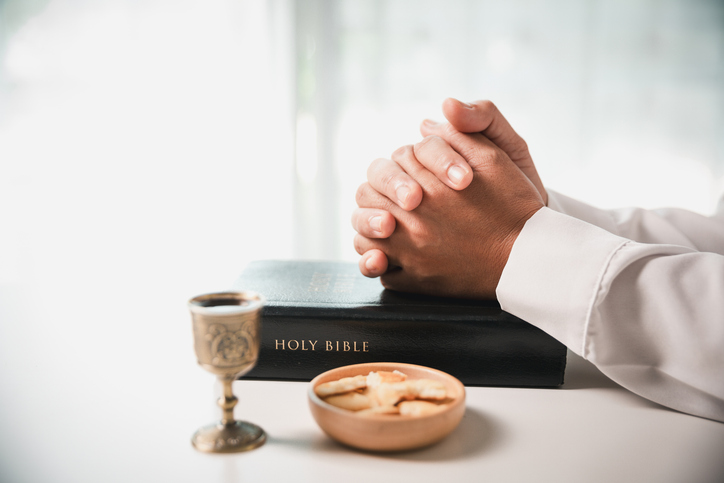
As Christians today, we can also use the emblems of the “Lord’s Supper” communion service as a tool of remembrance, sharing with those younger why we love and worship God for the amazing sacrifice of His Son Jesus.
Ellen White even spoke of the value of recalling our church’s history to motivate us in our mission. “We have nothing to fear, except as we shall forget the way the Lord has led us, and His teaching in our past history.” Life Sketches, p. 196 So, forgetfulness is not an option if we are to maintain our unique calling and mission.
Verses and questions:
Joshua 4:20-24
- Why was it important that they remember this particular miracle in future generations?
Thursday: Beyond the Jordan
The crossing of the Red Sea indicated Israel’s status changing from slavery to freedom. The crossing of the Jordan River years later showed another change. They had been a nomadic tribe, but would soon become a nation.
Later still, Elijah was taken to heaven beside the Jordan River, leaving behind his earthbound nature, and acquiring the new status of a dweller in heaven. And his assistant Elisha, standing beside him there, took up his new role as prophet.
The Jordan River was also chosen as the site of Jesus’ baptism, where He left His private life and entered the time of His public ministry. Similarly, the cleansing waters of baptism for us indicates leaving behind our old sinful ways and entering a life of obedience and faith in God.
Verses and questions:
Psalm 66:6, Mark 1:9, and Matthew 3:16-17
- What symbolic significance do you see in the role of land and water in the stories in Joshua and elsewhere?
- How are we changed through our baptism?
- Why is the symbolism particularly important to us to understand when it comes to baptism?
Friday: Final Thoughts
“Modern Israel [that would be us, spiritual Jews–Galatians 3:29] are in greater danger of forgetting God and being led into idolatry than were His ancient people.” ~Ellen G. White, Testimonies for the Church, vol. 1, p. 609 The distractions are many in our world today that keep our focus away from God, thus making us idolaters as guilty as the Israelites of old.
The Bible is full of remembrances of God’s leading for others in the past, but let’s not forget the experiences in our own lives that remind us of God’s tender mercies and protection. Memorials of all kinds can symbolically draw us closer to God. We may learn more about God’s character by remaining ever watchful of our tendency to forget what God has done for us personally in the past.
This is why the Sabbath was given to all mankind–that all may take time to focus on what God has done, not just through observing the wonders in our natural world, but the wonder of God’s grace in our personal experience of renewal and transformation. Let’s all remember these events and blessings and share them with others in our sphere of influence.
Next Week: The Conflict Behind All Conflicts
To read the Sabbath School Lesson Quarterly and see more resources for its study, go to
